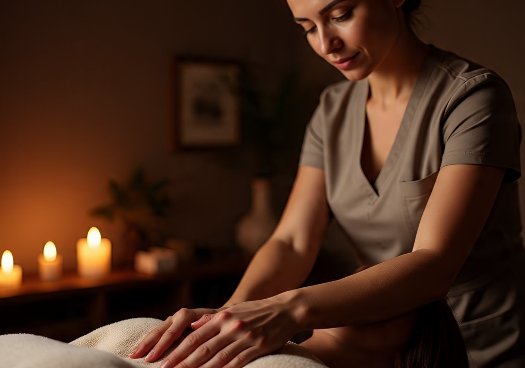
In an era dominated by fast-paced lifestyles, chronic stress, and an increasing reliance on pharmaceuticals, many people are seeking natural methods to maintain health and enhance well-being. Massage therapy has emerged as one of the most effective holistic wellness solutions, offering a unique combination of physical, mental, and emotional benefits without the side effects often associated with medications. https://www.vivigimassage.com/nowongu By utilizing skilled touch to manipulate muscles, connective tissues, and soft tissues, massage therapy addresses both the causes and symptoms of physical discomfort while promoting relaxation and resilience.
This article explores massage therapy as a natural wellness solution, its mechanisms, benefits, and practical applications for improving overall health and quality of life.
The Foundation of Massage Therapy
Massage therapy is an ancient practice with roots in diverse cultures, from traditional Chinese medicine to Ayurvedic healing and European therapeutic techniques. At its core, massage involves the systematic manipulation of soft tissues, including muscles, tendons, ligaments, and fascia, to improve function, reduce tension, and support overall health.
Unlike treatments that only address symptoms, massage therapy promotes natural healing by enhancing circulation, reducing muscle tension, stimulating the nervous system, and encouraging the body’s intrinsic restorative processes. Its versatility allows it to be tailored to individual needs, making it effective for stress management, pain relief, flexibility enhancement, and general wellness.
How Massage Therapy Work
Massage therapy produces benefits through a combination of mechanical, neurological, and biochemical mechanisms. Mechanically, the pressure, stretching, and movement applied during a session increase blood and lymphatic flow, delivering oxygen and nutrients to tissues while removing metabolic waste. This facilitates tissue repair, reduces inflammation, and improves overall muscle function.
Neurologically, massage stimulates nerve endings in the skin and muscles, signaling the central nervous system to reduce sympathetic activity—the “fight or flight” response—while activating the parasympathetic system, which promotes relaxation, recovery, and balance. Biochemically, massage triggers the release of endorphins, serotonin, and dopamine, which naturally elevate mood and reduce pain perception. Simultaneously, stress hormones like cortisol are reduced, supporting both mental and physical wellness.
Physical Benefits of Massage Therapy
Massage therapy offers a wide array of physical benefits that contribute to long-term health and vitality. These include:
- Muscle Relaxation and Pain Relief: Massage targets muscle tension, reducing stiffness, soreness, and discomfort caused by overuse, injury, or chronic conditions. Techniques like deep tissue massage and trigger point therapy release tight knots and restore proper muscle function.
- Improved Circulation: The manipulation of tissues enhances blood and lymph flow, promoting nutrient delivery, toxin removal, and overall cellular health. Enhanced circulation supports faster recovery from physical activity and injury.
- Increased Flexibility and Mobility: Massage stretches and elongates muscles, improving joint range of motion and overall flexibility. This is particularly beneficial for athletes, older adults, and individuals with physically demanding jobs.
- Posture Correction: Chronic tension and muscular imbalances can negatively impact posture. Massage releases overactive muscles and restores balance, encouraging better alignment and reducing strain on the spine and joints.
- Support for Immune Function: By enhancing lymphatic circulation and reducing stress hormones, massage supports natural immune responses, helping the body resist infection and maintain health.
Mental and Emotional Benefits
Massage therapy is as effective for mental wellness as it is for the body. In our stress-driven world, managing mental and emotional health is critical for overall well-being. Massage addresses this by:
- Reducing Stress and Anxiety: Physical touch and muscle relaxation activate the parasympathetic nervous system, lowering heart rate and promoting a sense of calm.
- Enhancing Mood: The release of neurotransmitters such as serotonin and dopamine improves emotional balance, elevates mood, and helps manage mild depression.
- Supporting Mental Clarity: By reducing tension and promoting relaxation, massage improves focus, concentration, and cognitive function, allowing individuals to approach daily tasks with greater efficiency.
- Improving Sleep Quality: Regular massage can address insomnia and sleep disturbances by reducing muscle tension, promoting relaxation, and regulating stress hormones, leading to deeper and more restorative sleep.
Types of Massage Therapy
Massage therapy encompasses a variety of techniques, each offering unique benefits and approaches. Some of the most commonly used methods include:
- Swedish Massage: Known for its long, flowing strokes, Swedish massage promotes relaxation, improves circulation, and alleviates mild tension.
- Deep Tissue Massage: Focused on the deeper layers of muscles and connective tissue, this technique is effective for chronic tension, injury rehabilitation, and postural correction.
- Sports Massage: Designed for athletes, this method combines deep tissue work, stretching, and movement therapy to enhance performance, prevent injuries, and accelerate recovery.
- Myofascial Release: Targets fascia, the connective tissue surrounding muscles, to release restrictions, improve mobility, and reduce chronic pain.
- Trigger Point Therapy: Focuses on localized knots or tension points within muscles, providing targeted relief and preventing referred pain patterns.
- Aromatherapy Massage: Combines essential oils with massage techniques to enhance relaxation, reduce stress, and improve emotional well-being.
Each type of massage can be customized according to the individual’s health needs, preferences, and lifestyle.
Integrating Massage Therapy Into Daily Life
The benefits of massage therapy are maximized when it is incorporated as part of a consistent wellness routine. Here are practical strategies:
- Regular Sessions: Depending on lifestyle and health conditions, weekly or biweekly sessions provide cumulative benefits for both body and mind.
- Complementary Practices: Yoga, Pilates, stretching, and mindfulness practices enhance the effects of massage, promoting flexibility, strength, and relaxation.
- Hydration and Nutrition: Proper hydration and a balanced diet support circulation, tissue repair, and overall health, complementing the restorative effects of massage.
- Self-Massage Techniques: Using foam rollers, massage balls, or gentle self-massage between sessions helps maintain muscle health and prevent tension buildup.
- Ergonomic Awareness: Adopting proper posture and movement patterns during daily activities prevents stress accumulation and enhances the benefits of massage therapy.
Massage Therapy as a Preventive Tool
One of the most compelling aspects of massage therapy is its preventive potential. By maintaining muscular balance, improving circulation, and managing stress, regular massage helps prevent injuries, chronic pain, and stress-related illnesses.
For example, individuals who work long hours at desks may experience neck, shoulder, and lower back tension. Massage addresses these issues before they develop into chronic conditions, reducing the likelihood of persistent pain or repetitive strain injuries. Similarly, athletes and active individuals can prevent overuse injuries and enhance performance through targeted massage techniques.
Safety and Professional Considerations
While massage therapy is generally safe for most people, it is important to consider individual health factors. 도봉구 출장마사지 Certified massage therapists assess each client’s health history, physical condition, and specific needs to design safe and effective sessions.
People with certain medical conditions, such as acute injuries, fractures, severe osteoporosis, or circulatory disorders, should consult a healthcare provider before beginning massage therapy. Open communication between the client and therapist is essential to ensure that pressure, techniques, and session duration are appropriate and comfortable.
Long-Term Benefits
The long-term effects of massage therapy extend beyond immediate relaxation or pain relief. Consistent practice leads to:
- Sustained Muscle Health: Reduced tension, improved flexibility, and balanced musculature prevent chronic pain and injury.
- Enhanced Mental Resilience: Reduced stress, improved mood, and better sleep contribute to overall emotional well-being.
- Optimized Physical Function: Better posture, circulation, and joint mobility support daily activities and physical performance.
- Holistic Wellness: Massage therapy promotes a balance between mind and body, supporting comprehensive health without the need for medication or invasive interventions.
These cumulative benefits make massage therapy a practical, natural, and sustainable wellness solution for modern life.
Conclusion
Massage therapy is a versatile and effective natural solution for maintaining health in the face of today’s stressors and physical demands. By addressing muscle tension, promoting relaxation, improving circulation, and supporting mental clarity, it provides comprehensive benefits for the body and mind.
As a preventive and restorative practice, massage therapy enhances posture, flexibility, and daily comfort while promoting resilience to stress and physical strain. Its ability to combine relaxation, pain relief, and long-term wellness makes it an essential component of holistic health.
Incorporating massage therapy into regular wellness routines empowers individuals to take control of their health naturally, achieving balance, vitality, and improved quality of life. In a world increasingly dominated by stress and physical challenges, massage stands out as a safe, effective, and enduring solution for holistic well-being.
