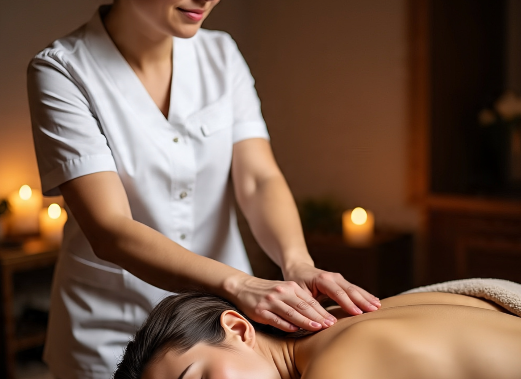
When most people think of massage therapy, they imagine a soothing environment, gentle strokes, and a temporary feeling of calm. While relaxation is certainly a major benefit, professional massage therapy provides far more than just momentary comfort. https://www.kakaochuljang.com/uiwang It is a comprehensive wellness practice that positively affects physical health, mental clarity, emotional balance, and even long-term resilience. Understanding the full range of benefits highlights why massage therapy has become an essential part of modern holistic healthcare.
Massage therapy works on multiple levels. It addresses the physical body by reducing tension and improving circulation, supports the nervous system for mental calm, promotes emotional stability, and even encourages lifestyle mindfulness. These multifaceted benefits make it much more than a luxury—it is a powerful tool for enhancing overall health.
Improving Physical Health and Mobility
One of the most visible effects of massage therapy is the improvement of physical health. Tight muscles, poor posture, and repetitive strain can lead to pain, reduced mobility, and chronic discomfort. Massage addresses these issues directly through techniques such as kneading, stretching, and pressure point manipulation.
By relieving muscular tension, massage therapy enhances flexibility and range of motion. This not only reduces the risk of injuries but also improves everyday physical performance. For athletes, office workers, or anyone experiencing stiffness, the impact on mobility can be transformative.
Enhancing Circulation and Tissue Health
Circulation is fundamental to maintaining healthy muscles and organs. Poor blood flow can result in fatigue, slower healing, and accumulation of metabolic waste in tissues. Massage therapy stimulates circulation, improving nutrient delivery and supporting tissue repair.
Enhanced circulation also boosts energy levels and promotes a sense of vitality. Unlike temporary solutions such as caffeine, massage enhances the body’s natural capacity to function efficiently, supporting both immediate comfort and long-term physical health.
Supporting the Nervous System
Beyond the muscles, massage therapy profoundly affects the nervous system. Chronic stress activates the sympathetic nervous system, keeping the body in a constant state of tension. Over time, this can contribute to headaches, elevated blood pressure, fatigue, and mental strain.
Massage stimulates the parasympathetic nervous system, which encourages relaxation, lowers heart rate, and reduces stress hormones. By restoring nervous system balance, massage therapy supports mental clarity, emotional resilience, and overall homeostasis.
Boosting Mental Clarity and Focus
Massage therapy is not only about relaxing the body—it also promotes cognitive benefits. Tension and stress can occupy mental resources, making it difficult to concentrate or think clearly. By alleviating physical stress and encouraging parasympathetic activation, massage reduces mental fatigue and enhances focus.
Clients often report increased clarity, improved problem-solving, and a greater ability to handle daily challenges following regular massage sessions. This mental boost demonstrates that massage therapy impacts the brain as well as the body.
Emotional Balance and Stress Reduction
Massage therapy has profound effects on emotional health. Stress, anxiety, and emotional tension are often stored physically, resulting in muscle tightness, headaches, or chest constriction. By addressing physical tension, massage indirectly facilitates emotional release.
Moreover, massage encourages mindfulness and body awareness, allowing individuals to become more in tune with their feelings. This combination of physical and emotional support promotes emotional stability, helping people manage stress more effectively and improving overall mood.
Supporting Immune Function
Emerging research shows that massage therapy may positively influence the immune system. Chronic stress weakens immune response, making the body more susceptible to illness. By reducing cortisol levels, improving circulation, and enhancing lymphatic flow, massage supports the body’s natural defenses.
Regular massage can therefore contribute to fewer sick days, quicker recovery from minor illnesses, and overall improved resilience, demonstrating its benefits beyond mere relaxation.
Enhancing Sleep Quality
Sleep is a cornerstone of wellness, yet stress and tension often disrupt normal sleep patterns. Massage therapy supports restorative sleep by relaxing muscles, reducing stress hormone levels, and calming the nervous system.
Improved sleep leads to better energy, mental focus, and emotional regulation during waking hours. This long-term effect highlights that massage is not just a temporary indulgence but a tool for sustained health and well-being.
Pain Management and Rehabilitation
Massage therapy is widely used as a complementary treatment for pain management and injury rehabilitation. Conditions such as lower back pain, joint stiffness, or postural imbalances benefit significantly from therapeutic massage.
By addressing muscular tension, improving circulation, and promoting tissue recovery, massage aids in reducing chronic pain and speeding up rehabilitation. 군포 당정동 출장안마 This practical application extends its benefits well beyond the traditional perception of relaxation.
Encouraging Mindfulness and Body Awareness
Another often-overlooked benefit of massage therapy is the promotion of mindfulness. Sessions encourage clients to focus on the sensations of touch, pressure, and rhythm, creating a meditative effect.
Increased body awareness helps individuals notice tension patterns early, adopt better posture, and integrate mindful movement into daily life. This self-awareness further supports long-term physical and mental health.
Complementing Other Wellness Practices
Massage therapy enhances the benefits of other wellness practices such as exercise, yoga, meditation, and balanced nutrition. By loosening muscles, improving circulation, and reducing stress, massage makes physical activity easier and more effective.
Additionally, it supports mental practices like meditation by fostering a calm, focused state. This integrative effect demonstrates that massage therapy functions as part of a broader lifestyle approach to health, not as an isolated treatment.
Long-Term Health Benefits
While immediate relaxation is an important benefit, long-term advantages of massage therapy are equally significant. Regular sessions contribute to sustained flexibility, enhanced circulation, better emotional regulation, improved sleep, and reduced susceptibility to stress-related illnesses.
These cumulative benefits show that massage is an investment in overall health, supporting the body and mind in a balanced, sustainable way.
Personalization for Maximum Impact
Professional massage therapy can be tailored to individual needs, ensuring maximum benefit. Whether the focus is deep tissue relief, relaxation, stress management, or injury recovery, therapists adjust techniques, pressure, and session length to meet personal goals.
This adaptability ensures that massage therapy addresses the specific factors that limit comfort, performance, or emotional stability for each individual, making it a versatile and highly effective health tool.
A Holistic Approach to Wellness
The comprehensive benefits of massage therapy—physical, mental, and emotional—highlight its holistic nature. It is not simply about pampering or temporary comfort; it addresses the interconnected systems of the body, supporting natural healing, stress relief, and improved quality of life.
By working on multiple levels simultaneously, massage therapy promotes overall wellness in a way that few other interventions can match.
Conclusion
Massage therapy offers a wide spectrum of benefits that extend far beyond simple relaxation. It improves physical health, supports circulation, strengthens the nervous system, enhances mental clarity, promotes emotional balance, and even supports immune function and better sleep.
By addressing both body and mind, massage therapy becomes a holistic wellness tool rather than a mere indulgence. Its ability to provide immediate relief, support long-term resilience, and complement other health practices makes it essential for anyone seeking sustainable health and well-being.
In short, the real benefits of massage therapy lie in its power to nurture the entire system—physically, mentally, and emotionally—demonstrating that true wellness is achieved not just through relaxation but through integrated care of the whole person.
