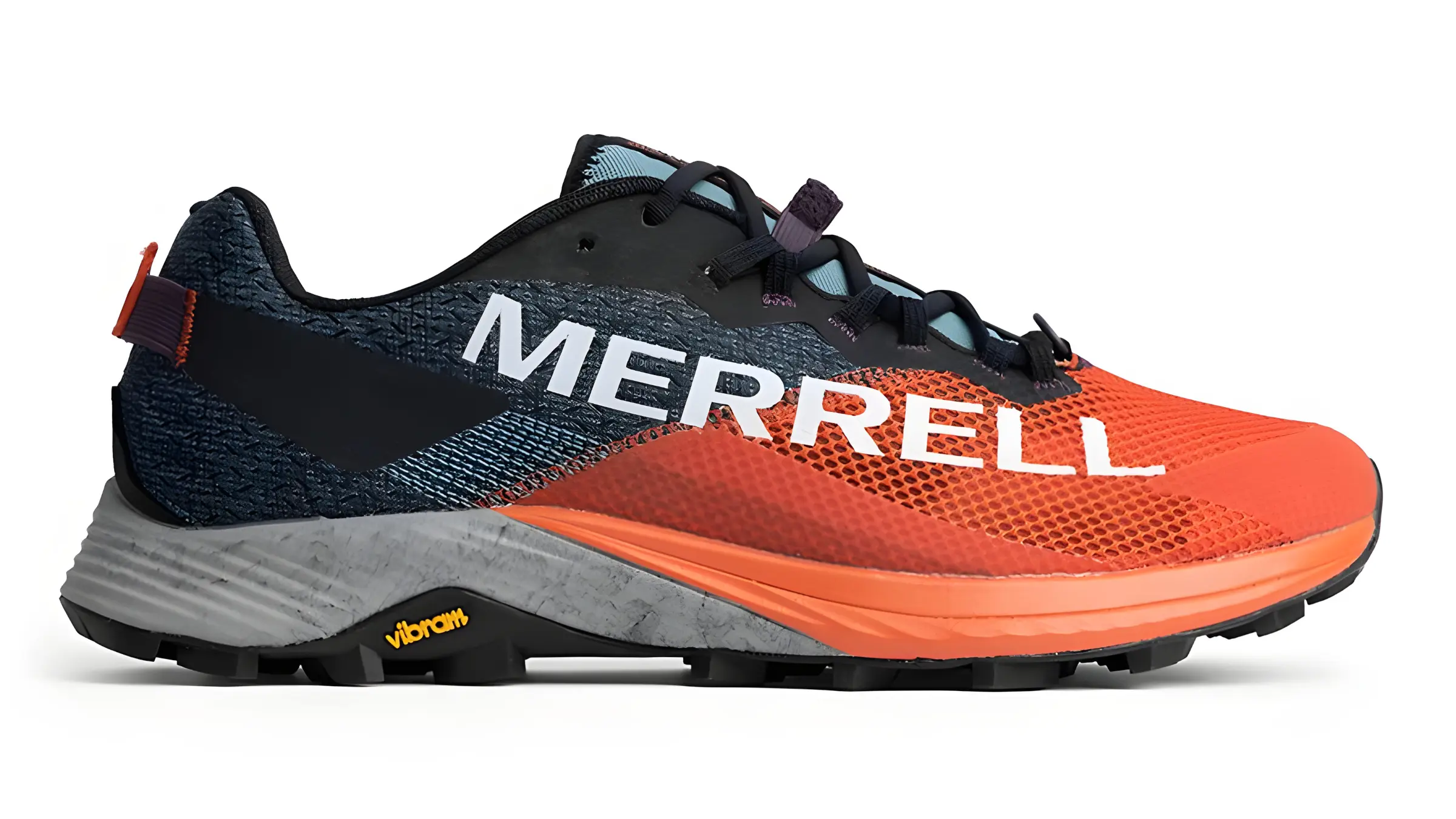
Choosing the right hiking shoe is crucial for any outdoor adventure. A well-chosen pair provides comfort, support, and protection, enabling you to enjoy your hike without distractions. The variety on the market today can be overwhelming—from lightweight running shoes to more robust hiking boots. Each type brings its own benefits and limitations, making the selection process seem daunting. However, understanding the essential features to look for is key in making an informed decision.
In this blog post, we will explore seven essential features that matter most when selecting the right hiking shoe.
Whether you are planning a short day hike or a long expedition, knowing what to prioritize can significantly enhance your outdoor experience. If you’re on the lookout for quality options, you may want to check out this hiking shoe guide.
1. Fit and Sizing
Fit is arguably the most critical feature of any hiking shoe. Ill-fitting shoes can lead to painful blisters, discomfort, and even injuries. When considering fit, make sure that there is enough room in the toe box to wiggle your toes freely while the heel should fit snugly to prevent slipping. Different brands may have various sizing charts, so trying them on in-store or consulting online guides becomes vital. For those hiking in colder climates, consider a half-size larger to accommodate thicker socks.
Remember that shoes may feel snug at first but should not pinch in any areas. The ideal fit can drastically affect your hiking experience, so take your time during this selection process. It’s beneficial to try shoes on after a day of walking when your feet are slightly swollen, as this provides a more accurate representation of how they will feel on the trail.
2. Sole and Traction
Another essential feature in hiking shoes is the sole, particularly its traction capability. A good sole is designed to provide grip and stability on various terrains and surfaces. The material of the outsole, usually rubber, contributes significantly to its traction. Look for shoes that have deep lugs or patterns, as they grip loose soil, gravel, and wet surfaces effectively.
For more technical hikes or rocky terrains, consider shoes with stiffer soles for added support. A well-constructed outsole also ensures durability, which is crucial when traversing over jagged rocks. This feature is particularly important for those who plan to tackle diverse trail conditions—having a reliable grip can greatly enhance your safety and confidence on challenging paths.
3. Waterproofing
When embarking on hikes, weather conditions can change unexpectedly. Therefore, waterproofing is a feature that many hikers prioritize. Shoes that offer waterproof membranes, such as GORE-TEX, provide a barrier against water while allowing moisture from sweat to escape. This prevents your feet from becoming damp, which can lead to blisters and discomfort.
If you frequently hike in wet or snowy conditions, waterproof shoes may be essential. However, be aware that waterproof shoes can also be less breathable, so they may not be the best choice for warmer climates. If you plan to hike in diverse conditions, consider shoes that provide a balance between waterproof capabilities and breathability.
4. Weight
The weight of your hiking shoe can significantly impact your overall hiking experience. Lighter shoes reduce fatigue and enable easier movement, especially on long hikes. However, it’s essential to strike a balance between weight and support. Extremely lightweight shoes may not offer the necessary protection and support for challenging trails.
Consider the purpose of your hike when evaluating weight. For day hikes on well-groomed trails, lightweight shoes may suffice, while heavier boots might be better for more technical hikes where ankle support is crucial. Always keep in mind that comfort can be a function of weight; so choose what feels right for your specific needs.
5. Cushioning
Cushioning is critical for absorbing impact during hikes, particularly on hard or rocky terrains. A well-cushioned shoe helps reduce fatigue and minimizes the impact on your joints. Look for shoes that offer good midsole cushioning, often made from EVA foam or other materials designed for shock absorption.
However, too much cushioning can lead to instability, particularly on uneven surfaces. Therefore, you want a balance that provides comfort without sacrificing support and stability. Consider also that the level of cushioning you select might depend on the distance you plan to hike—longer hikes may benefit from more cushioning for enhanced comfort.
6. Breathability
Breathability is another key feature to consider in hiking shoes, especially for warmer climates. Well-ventilated shoes allow airflow, keeping your feet cooler and drier, which is essential in hot weather. Look for shoes that incorporate mesh panels in their design, as these promote better airflow.
Breathability can also help deter foot odor, keeping your footwear fresher over long hikes. However, keep in mind that shoes with high breathability may not always be waterproof, so weigh these factors based on your hiking conditions. If you’re hiking in a particularly hot and dry area, the benefits of breathability can greatly enhance your comfort.
7. Durability
Finally, durability is a vital consideration when selecting hiking footwear. The quality of materials used in the construction of the shoe can significantly affect its lifespan. Look for shoes with reinforced stitching, robust uppers, and quality outsoles designed to withstand wear and tear.
If you are likely to encounter rugged terrains, opt for shoes built with more durable materials. While more durable shoes can be pricier, remember that investing in a high-quality pair may save you money in the long run, as you won’t need to replace them as often. Always assess the warranty offered by the manufacturer, as it can be a testament to the shoe’s durability.
Frequently Asked Questions (FAQs)
How do I know what size hiking shoe to buy?
It’s essential to try on shoes with the same type of socks you’ll wear while hiking. Consider sizing up for thicker socks, and always check different brands for sizing variations.
Are waterproof hiking shoes necessary?
Waterproof shoes are not always necessary but can be beneficial if you frequently hike in wet conditions. If you hike in dry climates, breathability might be more important.
Can I use running shoes for hiking?
While running shoes can be suitable for light hikes on well-groomed trails, they may not offer the support, traction, or durability needed for challenging terrains.
How can I prevent blisters while hiking?
To prevent blisters, ensure your shoes fit well, wear moisture-wicking socks, and consider applying blister prevention products before your hike.
When should I replace my hiking shoes?
Replace your hiking shoes when you notice insufficient tread, a loss of cushioning, or if your feet start to hurt during hikes, indicating that they no longer provide adequate support.
Conclusion
Choosing the right hiking shoe involves considering several essential features that can significantly enhance your experience. From the fit and sole traction to waterproofing and durability, making informed choices is key to enjoying your outdoor adventures. As you gear up for your next hike, keep these features in mind to find the perfect pair that meets your needs.
Whether you are a novice hiker or an experienced backpacker, investing time in selecting a quality hiking shoe will pay off in comfort and support during your journeys. Don’t forget to explore reputable sources for options that align with your preferences, such as the hiking shoe selections available at Binle Shoes. Happy hiking!
