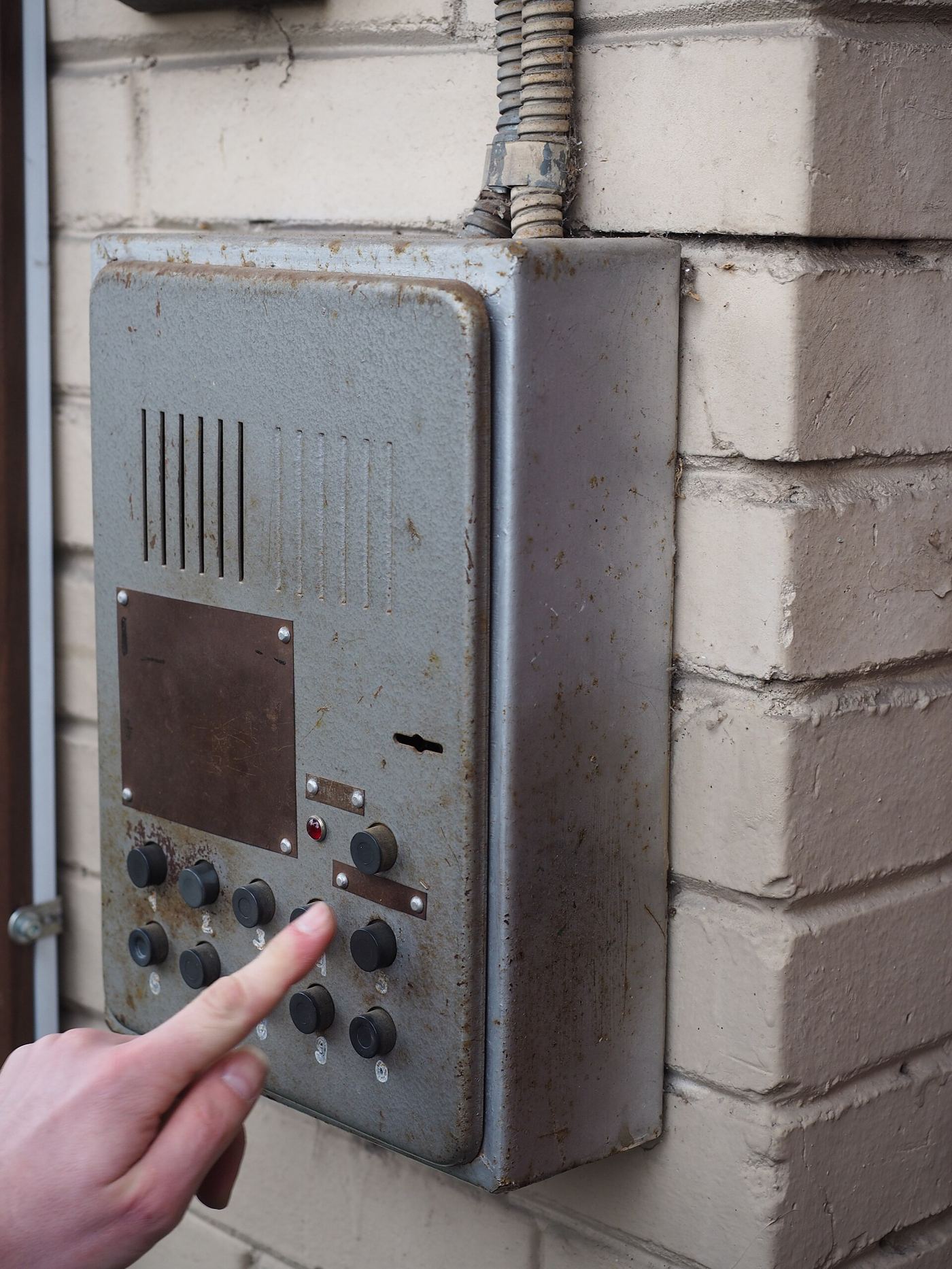
The house key, carried for centuries, is quietly being replaced by a code, a fingerprint or a phone. Smart locks let homeowners unlock a door with a PIN, a fingerprint, a tap on a phone or a voice command, and they can grant temporary codes to guests, cleaners or delivery drivers that stop working when the visit ends. Owners can check from anywhere whether the door is locked, receive an alert when a child arrives home, and lock up remotely after leaving in a hurry. The market has grown steadily as prices have fallen and the locks have become easier to fit, with many models replacing an existing deadbolt without drilling or rewiring. For landlords and holiday rentals, the appeal is obvious: no more lost keys, no more copying, no more meeting guests to hand over a key. The door becomes part of the connected home, alongside lights, thermostats and cameras.
What the Evidence Shows
The convenience comes with questions that buyers should weigh before installing one. A lock that depends on batteries needs a plan for when they run flat, and most models include a physical key or an external power contact as a backup. Internet-connected locks can be attacked like any other connected device, so strong passwords, two-factor authentication and regular software updates matter as much as the strength of the bolt. Privacy is another consideration, since some locks record every entry and exit, creating a detailed log of who comes and goes. Standards are also improving: newer locks support the Matter smart home standard, which lets them work across Apple, Google, Amazon and Samsung systems. Chosen carefully and kept updated, a smart lock can be both more convenient and more secure than the key it replaces. Reporting and analysis from sources such as IEEE Spectrum track the same developments, and specialists following smart door locks say the direction is now consistent across independent lines of evidence.
The Wider Context
Adoption of smart door locks follows a familiar pattern with an unfamiliar speed. Early users tolerate rough edges in exchange for advantage, mainstream users arrive when the tool disappears into existing workflows, and the market consolidates around whoever made that transition feel effortless. Vendors are racing less on raw performance now than on integration, support and trust.
What Happens Next
The realistic forecast for smart door locks is steady integration rather than sudden replacement: embedded in products people already use, improving in increments, and regulated in proportion to its reach. The companies and institutions that plan on that basis, training staff and redesigning processes instead of chasing launches, are the ones the adoption data tends to vindicate. You can follow related developments in our coverage of technology.
It is also worth remembering how quickly the picture in this area has changed before. Positions that looked settled a few years ago have been revised as new data arrived, and the same humility is appropriate now. The strongest coverage of this subject, and the most useful advice, tends to come from sources that update their views openly when the facts move, rather than defending an earlier position long after it has stopped fitting the evidence available.
