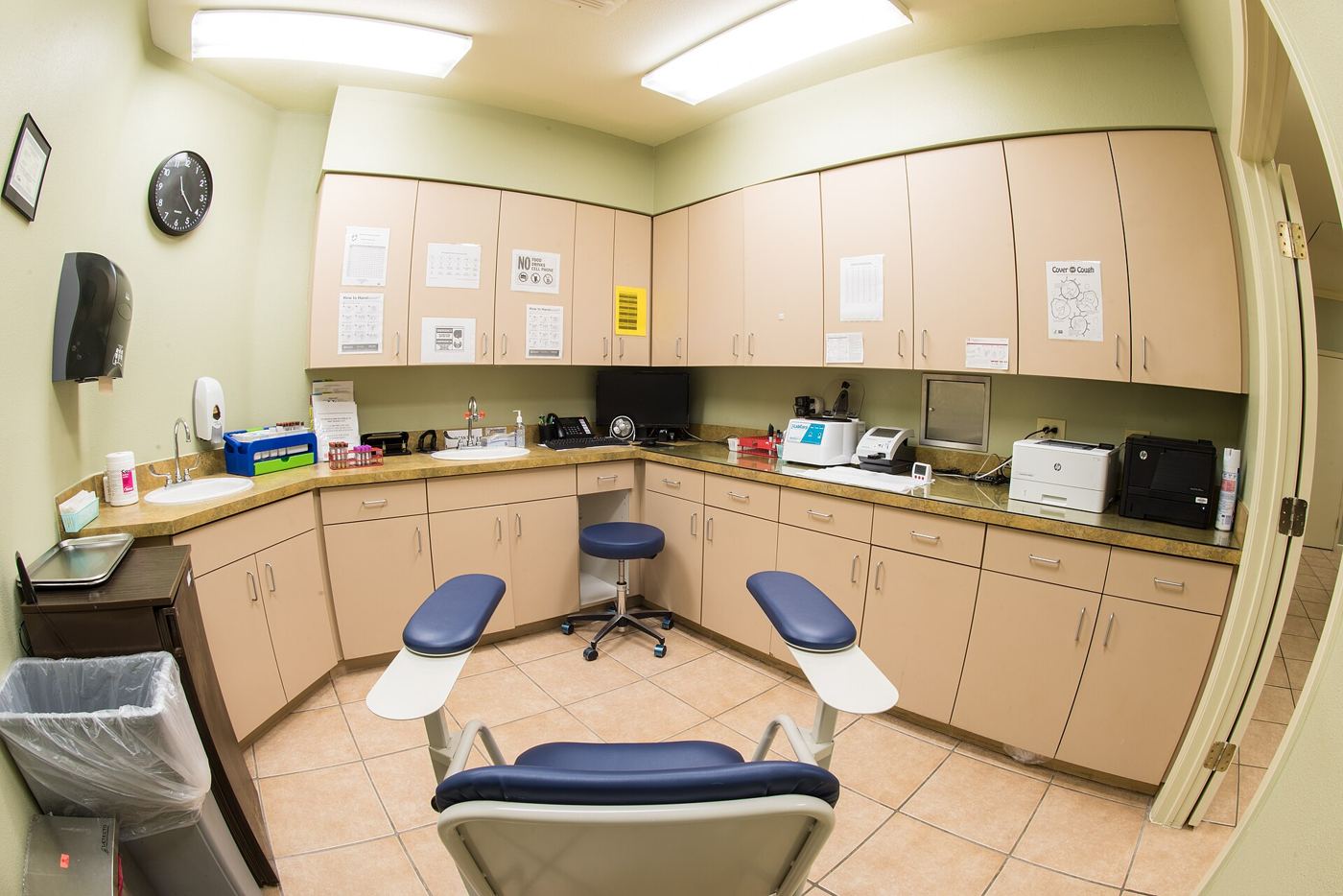
Waiting rooms are rarely anyone’s favourite place, but community clinics are quietly redesigning the minutes patients spend there. Clear screens now explain delays honestly, leaflets cover local support services, and staff use the space to share practical health information in plain language. Specialists following community clinic waiting rooms say small changes alter the whole experience of a visit. When people understand why appointments run late and what will happen next, anxiety drops and consultations start more calmly. Some clinics have added blood pressure stations for self checks, children’s corners to ease family visits, and noticeboards advertising walking groups, vaccination sessions and debt or housing advice. The waiting room becomes a gateway to wider community support, not just a row of chairs. Managers are also listening to patient feedback about seating, lighting, privacy at reception and clearer signage for people with sight or hearing difficulties. None of these improvements require large budgets. They rely on staff noticing friction points in a normal day and fixing them one by one for local patients.
What the Evidence Shows
The redesign also helps clinics manage busy winter demand more fairly. Check in screens free reception staff to help people who need personal assistance, while text updates let some patients wait outside or in a cafe until their turn approaches. Specialists following community clinic waiting rooms say honest communication matters more than decoration. A short explanation from a nurse about a delay can do more for patience than any poster on the wall. Clinics are sharing what works through local networks, borrowing ideas from neighbouring practices and testing them quickly. Patients notice the difference when a visit feels organised and respectful of their time. For neighbourhoods where the clinic is a trusted anchor, these steady improvements strengthen confidence in local services. The lesson travels well beyond one waiting room. When healthcare spaces are designed around real people’s worries, routines and time, even a short wait can become useful, informative and noticeably less stressful for everyone involved. Reporting and analysis from sources such as The Lancet track the same developments, and specialists following community clinic waiting rooms say the direction is now consistent across independent lines of evidence.
The Wider Context
Equity runs through every discussion of community clinic waiting rooms. Interventions that require apps, fees or free weekday afternoons reliably reach the people who need them least, so the programmes earning praise are those designed around clinics, workplaces and community venues that already serve everyone. Evaluation reports now publish uptake by income and region as a matter of routine.
What Happens Next
The practical takeaway on community clinic waiting rooms is deliberately unglamorous: it works best as part of ordinary, well-delivered care rather than as a standalone fix. Health services are planning on that basis, building the referral routes and follow-up that turn a promising result into population benefit. The gains arrive slowly and then, in the statistics, unmistakably. You can follow related developments in our coverage of health.
It is also worth remembering how quickly the picture in this area has changed before. Positions that looked settled a few years ago have been revised as new data arrived, and the same humility is appropriate now. The strongest coverage of this subject, and the most useful advice, tends to come from sources that update their views openly when the facts move, rather than defending an earlier position long after it has stopped fitting the evidence available.
