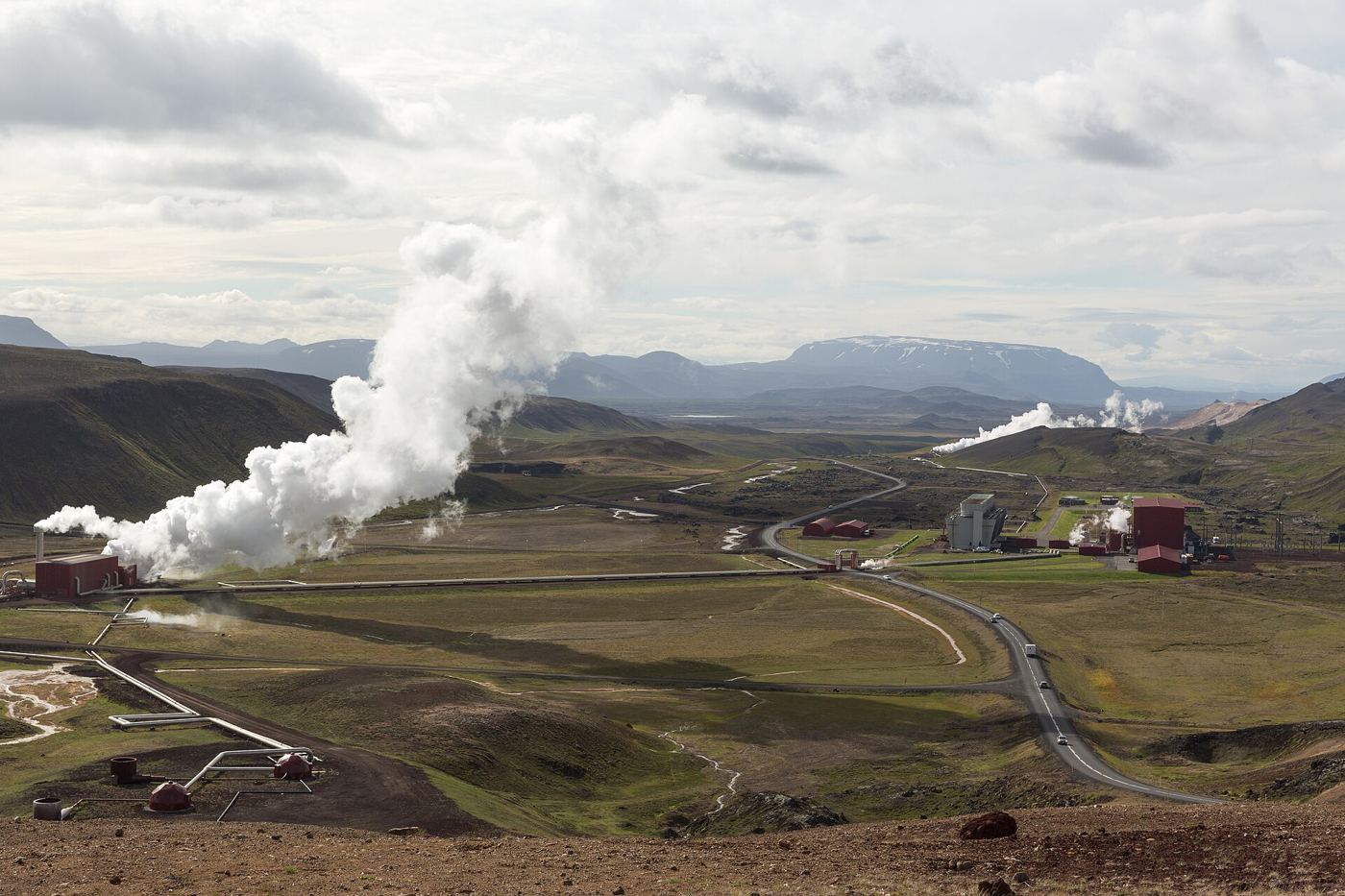
Beneath our feet, the Earth holds a vast supply of heat left over from the planet’s formation and fed by the slow decay of minerals deep in the crust. In places where that heat reaches close to the surface, engineers can drill wells, bring up hot water and steam, and use it to spin turbines that generate electricity. Geothermal power plants already run day and night in volcanic regions, from Iceland to Indonesia, supplying steady power that does not depend on sunshine or wind. The same underground heat can also warm homes, greenhouses and whole towns directly, with pipes carrying hot water from wells to radiators. Unlike many other renewable sources, geothermal energy is available around the clock and takes up little land. Its main limits are geography and cost, since the best sites sit near tectonic boundaries and drilling deep wells is expensive. Even so, interest is growing as engineers find ways to reach heat in more places.
What the Evidence Shows
A new generation of geothermal projects aims to go beyond the easy volcanic sites by drilling deeper and creating artificial reservoirs in hot, dry rock. Water is pumped down one well, heated as it passes through cracks in the rock, and returned to the surface through another well to drive a turbine. Early trials have shown the idea can work, though engineers are still learning how to keep the rock fractures open and the water flowing at a useful rate. Supporters say the approach could open geothermal power to regions far from volcanoes, turning it from a niche source into a much larger part of the energy mix. Critics note the risks, including small tremors caused by fracturing rock and the high upfront cost of drilling. For now the technology is moving step by step, with pilot plants testing each improvement before larger projects are built. Reporting and analysis from sources such as Nature track the same developments, and specialists following the geothermal plants tapping heat from deep underground say the direction is now consistent across independent lines of evidence.
The Wider Context
The wider context is a research landscape in which replication and open data now decide reputations. Findings connected to the geothermal plants tapping heat from deep underground are being checked by independent groups with shared datasets, and the teams involved publish their methods in full so rivals can test every step. That discipline is slower than a headline cycle, but it is why results in this area increasingly survive first contact with scrutiny.
What Happens Next
What happens next in the story of the geothermal plants tapping heat from deep underground will be decided by follow-up work already under way: larger samples, longer observation and instruments that have not yet come online. The researchers involved are unusually united on one point, that the current results justify the next investment of time and money. Readers will not have to wait long for the first tests of that claim. You can follow related developments in our coverage of science.
None of this will be settled by a single announcement, study or product launch. The pattern to watch is accumulation: independent confirmations, honest reporting of failures and steady improvement in the underlying numbers. Readers who follow those signals, rather than the loudest claim of the week, will understand this subject better than most of the commentary surrounding it suggests is possible.
