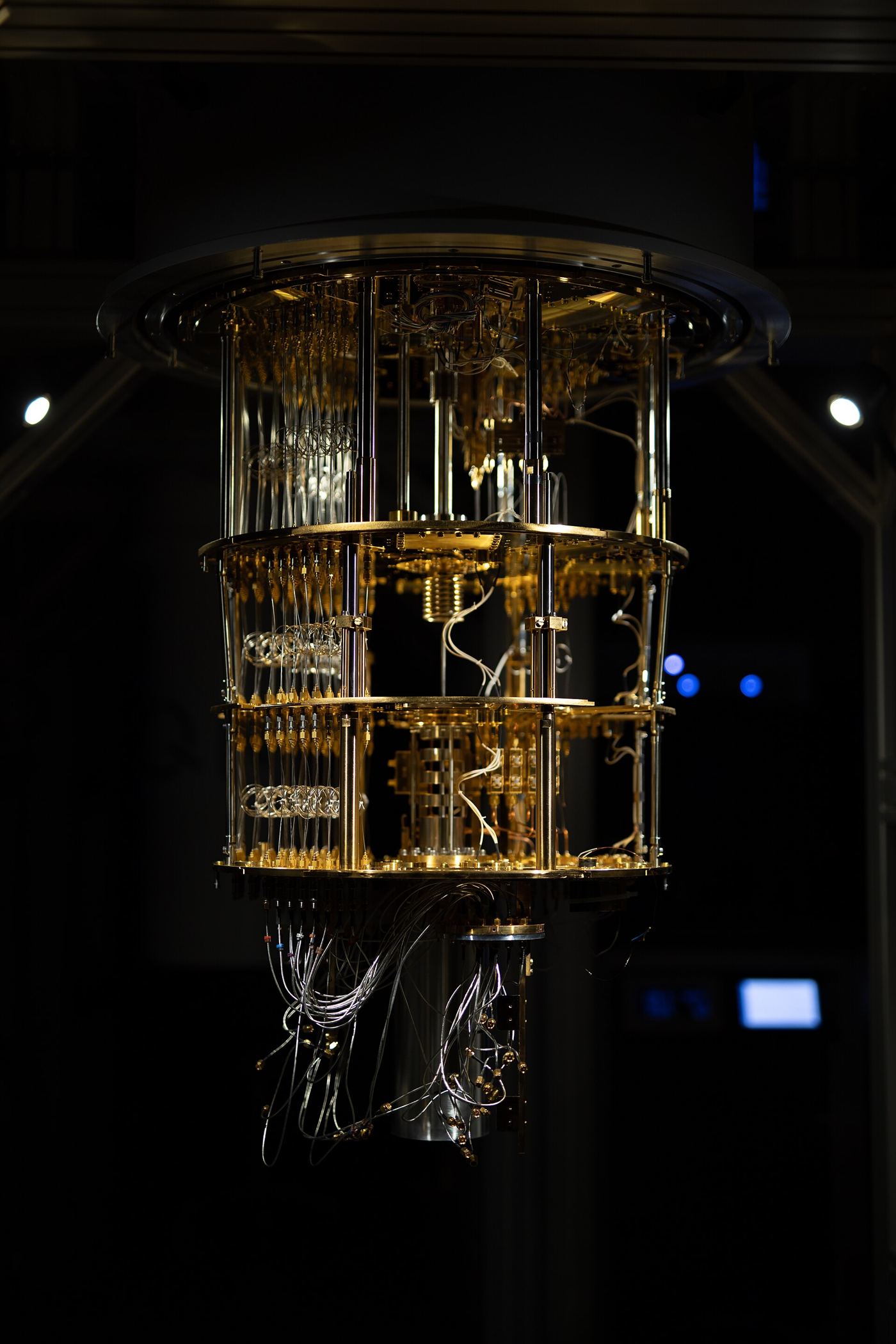
Nvidia, IBM and the Fermi National Accelerator Laboratory have announced a joint platform to design the next generation of quantum computers, alongside a breakthrough that speeds up error-correction research by up to 13,000 times. The collaboration was announced on 16 November 2026 at the Supercomputing 2026 conference in Chicago. The three partners will colocate Nvidia DGX B200 systems with IBM quantum computers, including machines powered by IBM Quantum Nighthawk, the most powerful processor IBM has built. Nvidia also released TCBP-JOBS, a new decoding algorithm in its CUDA-Q platform, which cuts the time needed to research new quantum error-correction designs from 12 weeks to 45 minutes. The platform will also simplify how quantum processors are scheduled inside supercomputing workflows through the Slurm system.
What the Evidence Shows
Quantum computers are held back by errors, and correcting those errors is one of the hardest problems in the field. A quantum machine must check its own calculations constantly, and the decoding step that finds the errors can take so long that it slows research to a crawl. The new algorithm attacks exactly that bottleneck, letting researchers test far more designs in far less time. The collaboration also brings quantum and classical computing closer together: IBM, RIKEN and Nvidia showed a quantum-classical simulation of an iron-sulfur cluster found in living cells that was 79 times more accurate than previous work. The partners plan to use the platform for demanding problems in high-energy and nuclear physics, the kind of science that neither quantum nor classical machines can handle alone. The work will also test how quantum processors fit into the supercomputers that already run the world’s biggest simulations. Reporting and analysis from sources such as IEEE Spectrum track the same developments, and specialists following the quantum codesign platform say the direction is now consistent across independent lines of evidence.
The Wider Context
Adoption of the quantum codesign platform follows a familiar pattern with an unfamiliar speed. Early users tolerate rough edges in exchange for advantage, mainstream users arrive when the tool disappears into existing workflows, and the market consolidates around whoever made that transition feel effortless. Vendors are racing less on raw performance now than on integration, support and trust.
What Happens Next
The realistic forecast for the quantum codesign platform is steady integration rather than sudden replacement: embedded in products people already use, improving in increments, and regulated in proportion to its reach. The companies and institutions that plan on that basis, training staff and redesigning processes instead of chasing launches, are the ones the adoption data tends to vindicate. You can follow related developments in our coverage of technology.
It is also worth remembering how quickly the picture in this area has changed before. Positions that looked settled a few years ago have been revised as new data arrived, and the same humility is appropriate now. The strongest coverage of this subject, and the most useful advice, tends to come from sources that update their views openly when the facts move, rather than defending an earlier position long after it has stopped fitting the evidence available.
