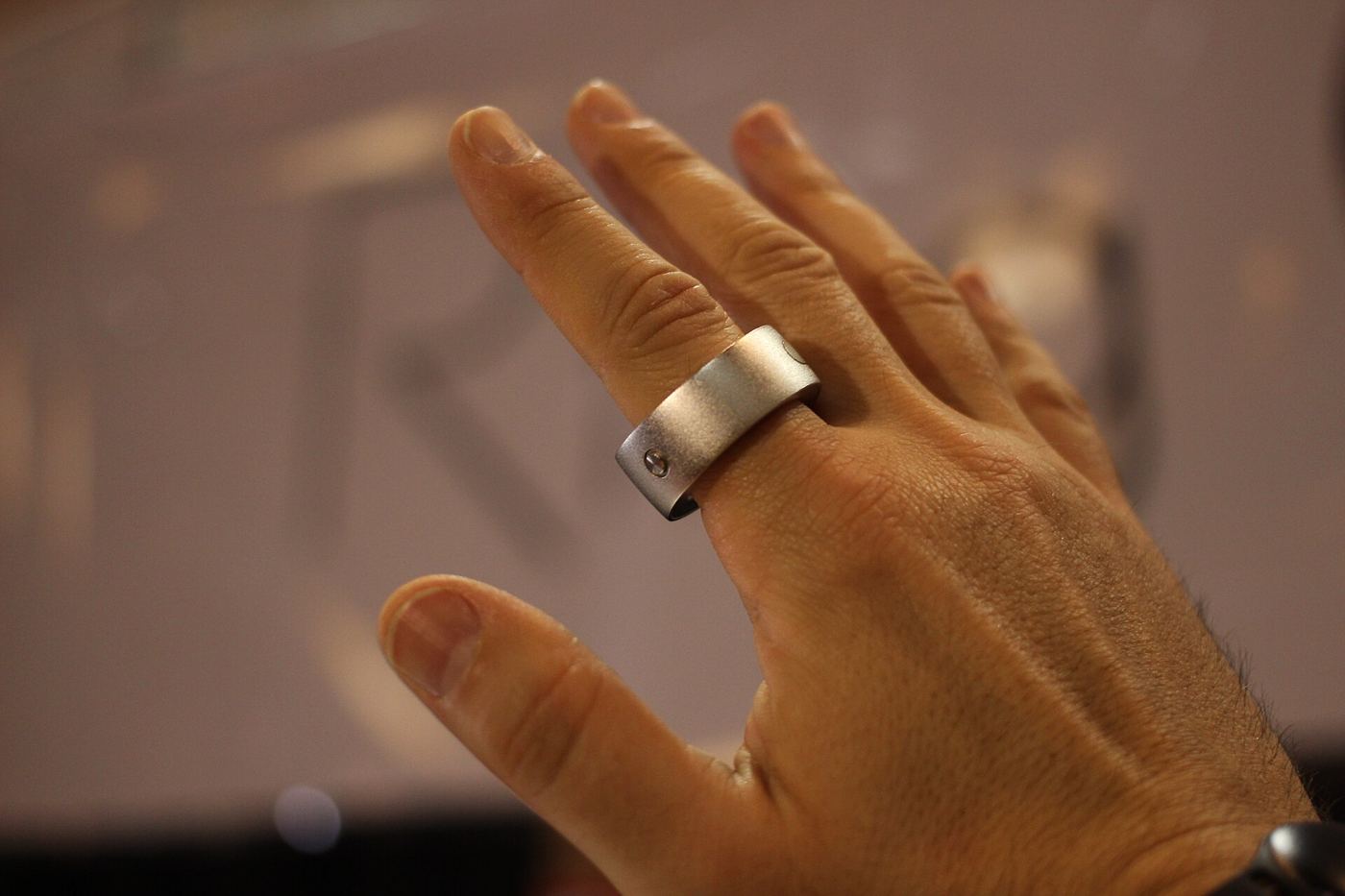
The smartwatch brought health tracking to the wrist. The smart ring is bringing it to the finger, in a device with no screen, no buttons and a battery that lasts for days. Samsung launched its Galaxy Ring in July 2024, priced at 399 dollars, joining Finland’s Oura, whose fourth-generation ring arrived in October 2024. The rings pack tiny sensors that measure heart rate, skin temperature, blood oxygen and movement, and their apps turn the data into scores for sleep quality and daily readiness. Because a finger offers a strong, steady pulse signal and the ring is worn around the clock, makers claim their sleep tracking is more consistent than a watch that is taken off to charge. For people who find watches bulky or dislike sleeping with one on, a ring is a quieter way to collect the same data.
What the Evidence Shows
Enthusiasm should be tempered by what these devices can and cannot do. A smart ring is a wellness gadget, not a medical device, and its readings can be thrown off by a loose fit, cold hands or a tattoo. Studies have found consumer wearables are reasonably good at tracking heart rate and sleep duration, but less reliable at measuring blood oxygen or detecting illness. The business model also deserves attention: Oura charges a monthly subscription on top of the price of the ring, while Samsung does not, and the health data these companies collect is among the most sensitive information a person can share. The next frontier is more ambitious, with companies working on blood pressure and blood sugar sensing, though neither is ready for a ring yet. For now, the smart ring’s real achievement is simpler: it made continuous health tracking invisible enough that people actually keep wearing it. Reporting and analysis from sources such as IEEE Spectrum track the same developments, and specialists following smart rings say the direction is now consistent across independent lines of evidence.
The Wider Context
Adoption of smart rings follows a familiar pattern with an unfamiliar speed. Early users tolerate rough edges in exchange for advantage, mainstream users arrive when the tool disappears into existing workflows, and the market consolidates around whoever made that transition feel effortless. Vendors are racing less on raw performance now than on integration, support and trust.
What Happens Next
The realistic forecast for smart rings is steady integration rather than sudden replacement: embedded in products people already use, improving in increments, and regulated in proportion to its reach. The companies and institutions that plan on that basis, training staff and redesigning processes instead of chasing launches, are the ones the adoption data tends to vindicate. You can follow related developments in our coverage of technology.
It is also worth remembering how quickly the picture in this area has changed before. Positions that looked settled a few years ago have been revised as new data arrived, and the same humility is appropriate now. The strongest coverage of this subject, and the most useful advice, tends to come from sources that update their views openly when the facts move, rather than defending an earlier position long after it has stopped fitting the evidence available.
