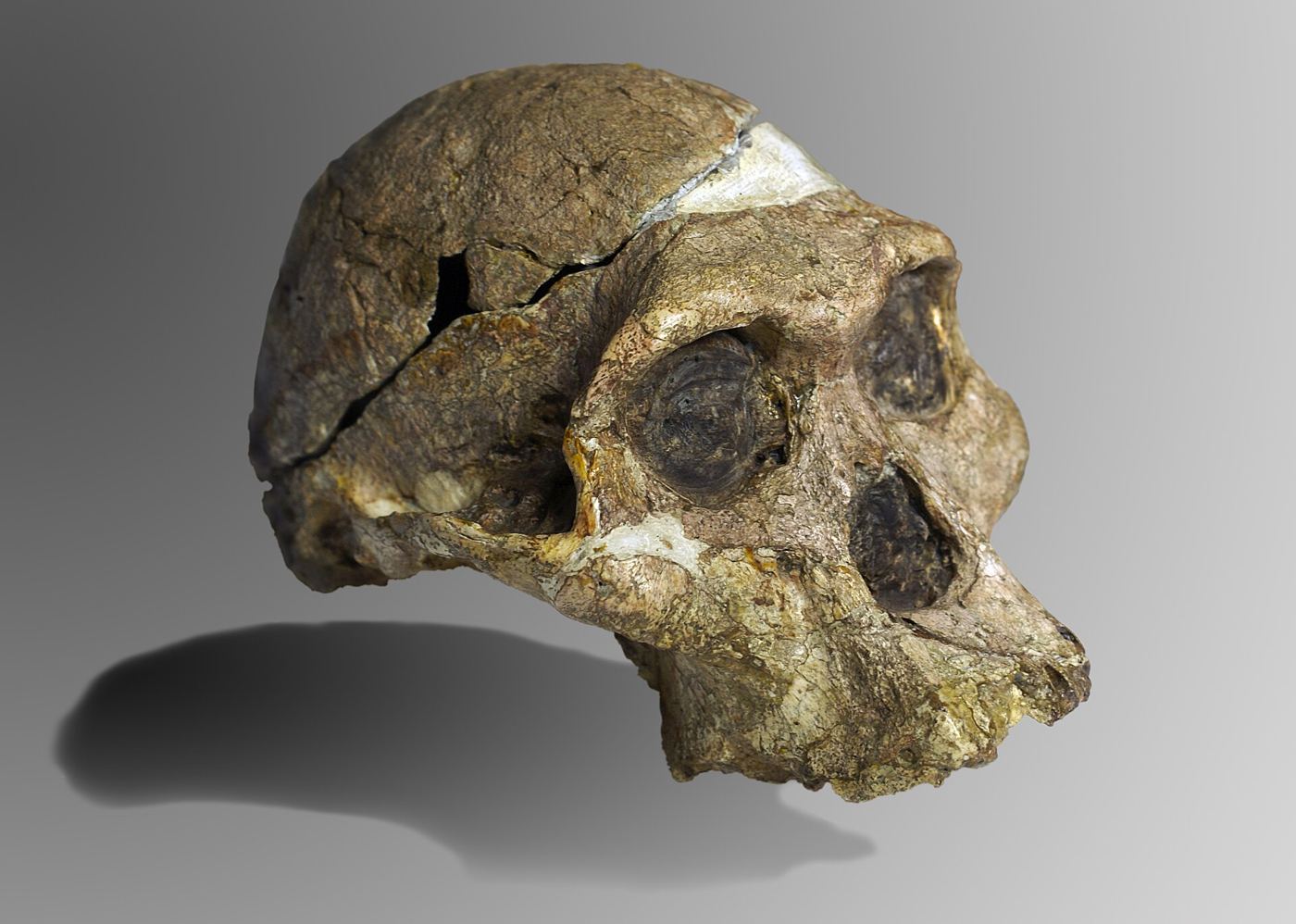
Fossil teeth from two caves in southern China have revealed Denisovan remains and evidence of a second, unidentified archaic human lineage, according to a study published in Nature on 27 November 2026. An international team led by Song Xing of the Centro Nacional de Investigacion sobre la Evolucion Humana in Spain analysed four fossil teeth recovered from caves in the region and dated them to the Middle and Late Pleistocene. Teeth from Longchuandong cave show morphological and molecular features matching Denisovans, while others belong to a more primitive lineage whose evolutionary identity remains unclear. The teeth were dated to the Middle and Late Pleistocene, a period spanning hundreds of thousands of years of human prehistory.
What the Evidence Shows
Denisovans are an extinct group of archaic humans known mainly from a Siberian cave and a handful of fossils across Asia, and their presence this far south expands their known range considerably. The researchers used detailed analysis of tooth shape and ancient proteins to assign the fossils, a method that has become essential where DNA does not survive in warm climates. The unresolved lineage is equally intriguing, since it suggests that more than one archaic human group lived in southern China at the same time. Together, the teeth add a new chapter to the complex story of human evolution in East Asia. Reporting and analysis from sources such as Nature track the same developments, and specialists following the Denisovan and mystery human lineage discovery in southern China say the direction is now consistent across independent lines of evidence.
The Wider Context
The wider context is a research landscape in which replication and open data now decide reputations. Findings connected to the Denisovan and mystery human lineage discovery in southern China are being checked by independent groups with shared datasets, and the teams involved publish their methods in full so rivals can test every step. That discipline is slower than a headline cycle, but it is why results in this area increasingly survive first contact with scrutiny.
What Happens Next
What happens next in the story of the Denisovan and mystery human lineage discovery in southern China will be decided by follow-up work already under way: larger samples, longer observation and instruments that have not yet come online. The researchers involved are unusually united on one point, that the current results justify the next investment of time and money. Readers will not have to wait long for the first tests of that claim. You can follow related developments in our coverage of science.
None of this will be settled by a single announcement, study or product launch. The pattern to watch is accumulation: independent confirmations, honest reporting of failures and steady improvement in the underlying numbers. Readers who follow those signals, rather than the loudest claim of the week, will understand this subject better than most of the commentary surrounding it suggests is possible.
