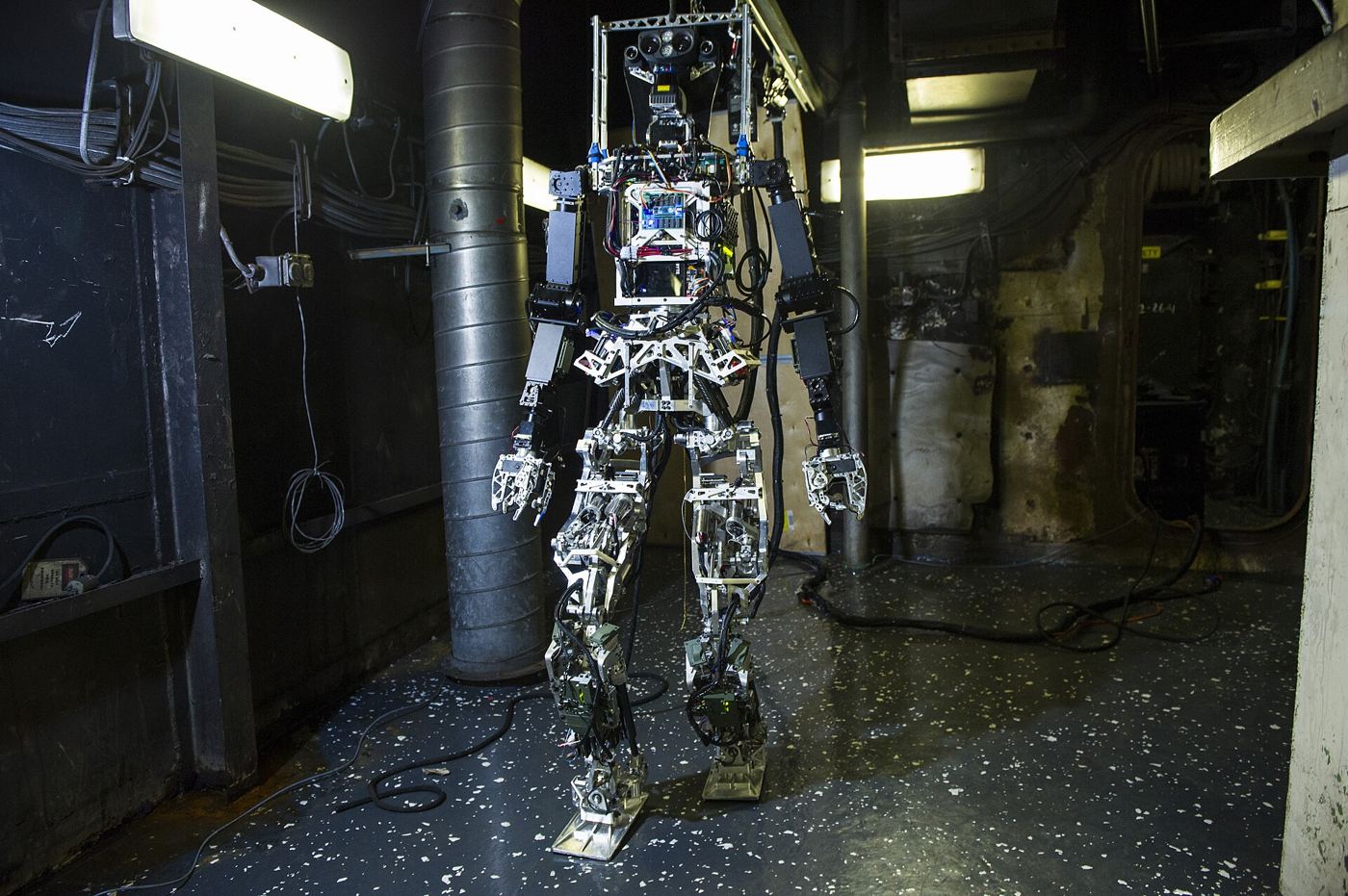
Humanoid robots are leaving the laboratory for their first real warehouse trials, where they are learning to pick up boxes, carry them across busy floors and hand them to human colleagues without getting in the way. Their human shape is the point: warehouses were built for people, with stairs, shelves and doorways that wheeled robots struggle to navigate, so a two-legged machine can in theory work in spaces that need no redesign. The trials are deliberately slow and supervised, with robots moving at walking pace and stopping the moment a person steps close. Developers say the goal is not to replace warehouse staff but to take over the heaviest carrying, which causes many of the back and shoulder injuries in the sector. Early feedback from workers has been cautiously positive, provided the machines stay predictable and clearly signal what they are about to do next.
What the Evidence Shows
Safety is the central engineering problem, and it shapes every design choice. Force sensors limit how hard a robot can grip or push, cameras and depth sensors map the people around it, and the machines are programmed to freeze rather than improvise when something unexpected happens. Standards bodies are now drafting rules for humanoid machines working alongside people, covering speed limits, emergency stops and regular safety checks. Labour specialists note that the jobs most likely to change are the repetitive carrying roles, with workers shifting toward supervision, maintenance and problem-solving. Costs remain high, so most analysts expect humanoid robots to appear first in large logistics sites, with wider use depending on whether the trial machines prove reliable, safe and genuinely useful day after day. Manufacturers say the next step is linking fatigue alerts with navigation data, so the car can suggest a break at a service area ahead rather than simply warning the driver to stop somewhere. Reporting and analysis from sources such as IEEE Spectrum track the same developments, and specialists following the warehouse humanoid robot say the direction is now consistent across independent lines of evidence.
The Wider Context
Adoption of the warehouse humanoid robot follows a familiar pattern with an unfamiliar speed. Early users tolerate rough edges in exchange for advantage, mainstream users arrive when the tool disappears into existing workflows, and the market consolidates around whoever made that transition feel effortless. Vendors are racing less on raw performance now than on integration, support and trust.
What Happens Next
The realistic forecast for the warehouse humanoid robot is steady integration rather than sudden replacement: embedded in products people already use, improving in increments, and regulated in proportion to its reach. The companies and institutions that plan on that basis, training staff and redesigning processes instead of chasing launches, are the ones the adoption data tends to vindicate. You can follow related developments in our coverage of technology.
It is also worth remembering how quickly the picture in this area has changed before. Positions that looked settled a few years ago have been revised as new data arrived, and the same humility is appropriate now. The strongest coverage of this subject, and the most useful advice, tends to come from sources that update their views openly when the facts move, rather than defending an earlier position long after it has stopped fitting the evidence available.
