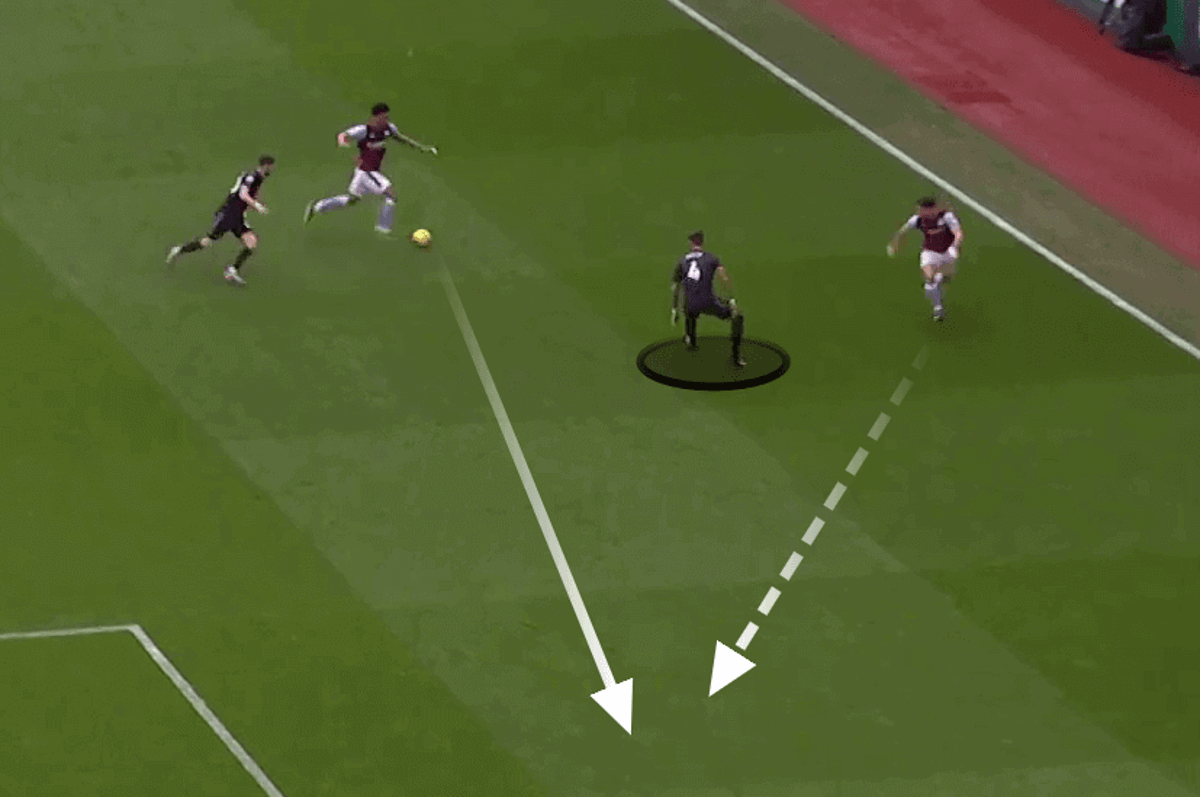
In modern Serie A football, the full‑back has evolved from a pure defender into a creative engine driving offensive momentum. During the 2020/2021 campaign, Italian clubs increasingly depended on overlapping width and underlapping patterns to generate shots and corners. The mechanics of how full‑backs advanced, crossed, and recycled possession directly connected to scoring frequency, especially in fluid systems blending defense transition with controlled chaos.
Why full‑backs became attacking catalysts
Serie A’s tactical tempo during 2020/2021 featured conservative midfields paired with heavily involved wing defenders. Teams that lacked pure wingers used offensive full‑backs as secondary playmakers stretching compact lines. Their width deepened opposition shape, forcing more blocked clearances and, consequently, corners. The change reflected a system-wide shift toward possession restoration rather than direct scoring.
Tactical models empowering full‑back progression
Different managerial philosophies produced unique channel dynamics.
Three major progression types emerged:
- High‑overlap models – exemplified by Atalanta and Inter, where wing‑backs attacked simultaneously.
- Asymmetric transition models – used by Juventus and Milan, allowing one full‑back to advance while the other stayed compact.
- Build‑up facilitators – Napoli and Roma integrated full‑backs into passing triangles, prioritizing steady advancement toward the byline.
Each variant influenced how chance creation and box entries evolved. The first yielded volume; the second balance; the third consistency.
The statistical link between full‑back involvement and corners
When full‑backs penetrate wide areas, defenders must scramble to block crosses, often conceding corners. In 2020/2021, Serie A averaged 9.7 corners per match, with teams using high‑overlap systems (Inter, Atalanta) producing two more per game than conservative setups. The direct chain from overlap → blocked cross → corner produced repeatable situational markets closely tied to tactical identity.
Prominent full‑backs and their attacking metrics
Evaluating both crossing volume and shot‑creating sequences reveals patterns of contribution.
| Player | Club | Crosses per 90 | Shot‑creating actions | Corner sequences initiated |
| Robin Gosens | Atalanta | 5.0 | 3.1 | 23 |
| Theo Hernandez | Milan | 4.6 | 2.9 | 21 |
| Achraf Hakimi | Inter | 4.2 | 2.8 | 20 |
| Giovanni Di Lorenzo | Napoli | 3.7 | 2.4 | 18 |
The table illustrates measurable predictability: full‑back aggression correlates with repetitive set‑piece generation, a constant exploitable for betting models tied to corner totals or assist probabilities.
Translating full‑back aggression into tactical expectation
The sharpest insight for bettors lay not in total corners but tempo sequences. When offensive full‑backs push early and force deep blocks within the first 15 minutes, referees and defenders adapt more physically, ensuring momentum swings and continuous set‑play cycles. Recognizing such match signatures allowed analysts to project over‑corner outcomes more accurately than pre‑game averages implied.
Integrating full‑back metrics into precise betting ecosystems
For data‑driven analysts seeking real‑time application, contextualizing full‑back activity through dynamic data sources enhanced predictive reliability. Within that interpretive boundary, ufabet168 ทางเข้า acted as a betting platform integrating visualization overlays and in‑match corner tracking. Its analytical layout allowed users to monitor flank penetration volume relative to first‑half possession zones, refining timing for live wagers. The ability to align tactical movement with market fluctuation transformed abstract statistics into structured probability adjustments.
Situational contrasts between proactive and reactive defenders
Not all full‑backs generated equal offensive value. Some specialized in recovery duels; others timed their attacks selectively to exploit overload mismatches.
Comparative tendencies
- Proactive full‑backs: focus on carrying progression, producing shot assists before reset.
- Reactive full‑backs: rely on blocked clearances, indirectly raising set‑piece output.
Understanding which category a team’s flank pair occupied determined whether bettors leaned toward early‑corner markets or expected gradual accumulation through defensive stagnation.
Broader analytical parallels in evaluation logic
Strategically, dissecting cause‑and‑effect within repeated in‑match events mirrors data modeling across probability‑based environments. A well‑analyzed wing pattern parallels the predictive calibration underlying structured decision systems. Within a methodological casino online framework, consistent observation of event recurrence—whether spin intervals or play sequences—aligns with similar logic. Mastery lies in quantifying rhythm and outcome expectancy, not merely tracking volume.
Summary
Serie A’s 2020/2021 full‑backs reshaped how attacking pressure converted into measurable outputs—shots, corners, and second‑phase entries. Their persistent forward surges redefined wing progression from occasional support to pivotal production chain. Translating this understanding into analytical betting logic turned tactical observation into applied probability, linking touchline positioning directly to event-driven predictive accuracy across modern football analytics.
